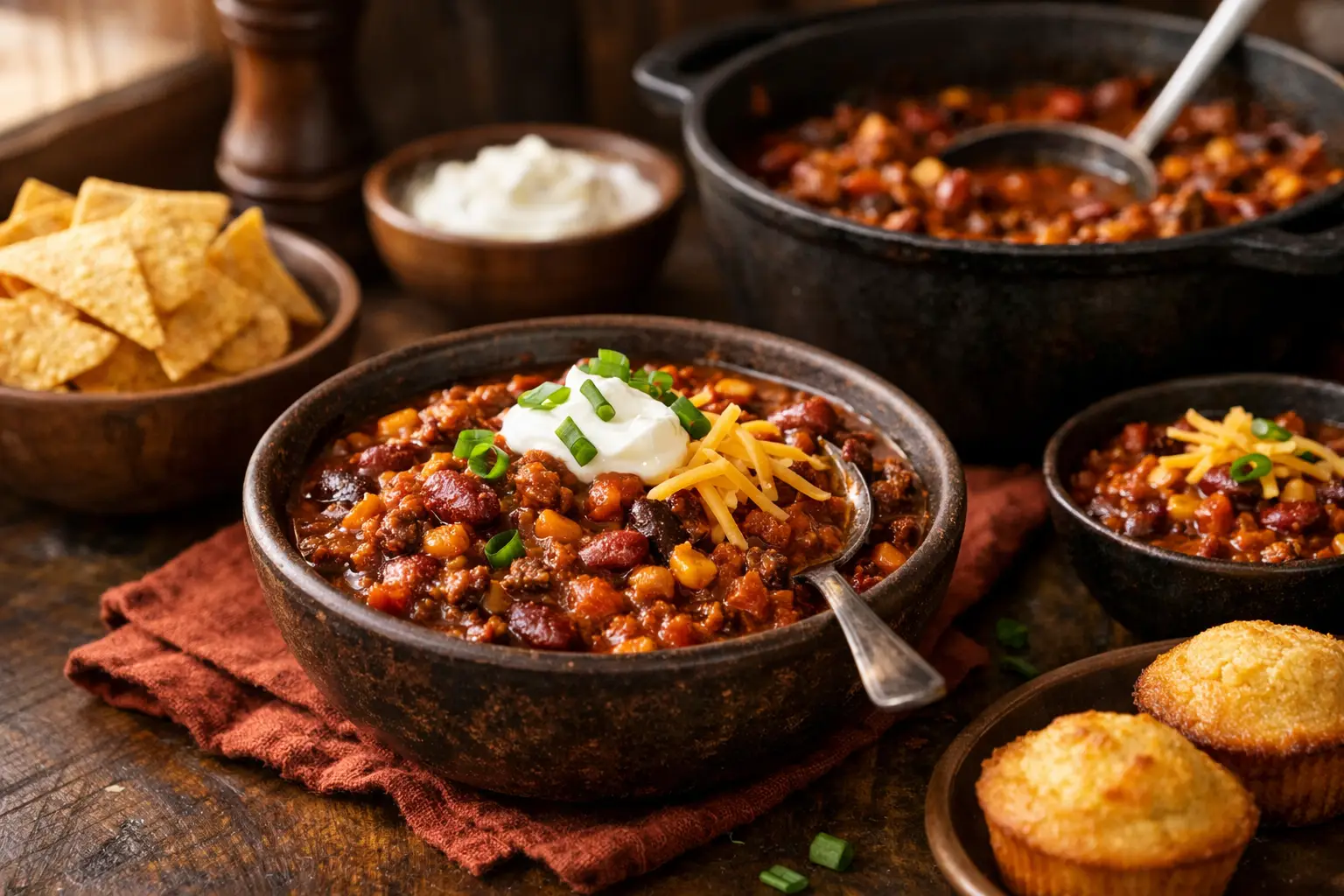
Some nights, dinner needs to happen before anyone starts raiding the snack cabinet. That is exactly when quick chili for dinner earns its spot in the weekly rotation. You want a pot that feels hearty, smells like you planned ahead, and lands on the table in under an hour without tasting rushed.
The good news is that fast chili is not a compromise by default. It just plays by different rules. A long-simmered weekend pot builds depth through time. A weeknight chili builds depth through smart sequencing, concentrated ingredients, and knowing which corners you can cut without flattening the bowl.
What makes quick chili for dinner actually work
Speedy chili succeeds when each ingredient pulls real weight. This is not the moment for a long list of subtle add-ins that need 90 minutes to come together. It is the moment for ingredients with immediate impact, like tomato paste, canned chiles, salsa, stock, browned meat, and spices that hit the pot at the right time.
The biggest mistake in fast chili is assuming the simmer alone will do the heavy lifting. On a busy night, the flavor has to start building in the first ten minutes. Browning your protein well, cooking onions until they soften instead of just sweating them for a minute, and letting chili powder bloom in fat gives you depth that tastes far bigger than the clock suggests.
Texture matters too. Quick chili should be spoonable and full-bodied, not watery. Since you do not have an hour and a half to reduce it down, you need a base that starts with some natural thickness. Crushed tomatoes, refried beans, mashed canned beans, or a modest amount of tomato paste can help your chili feel finished faster.
Start with the right chili style
Not every chili format is built for speed. If your goal is dinner in 30 to 45 minutes, think less brisket-forward Texas project and more weeknight-friendly bowl with a direct flavor path.
Ground beef chili is the obvious fast classic because it browns quickly and brings rich flavor fast. Ground turkey works if you build in more support from onion, garlic, spices, and a stronger tomato base. Chorizo is a weeknight power move because it seasons the whole pot while it cooks. Shredded rotisserie chicken can also work surprisingly well in a quick red or green chili if you add it near the end so it stays tender.
Bean choice changes the timing too. Canned kidney beans and pinto beans are easy standards, but black beans often hold their shape better in a shorter cook. If you want a creamier body, mash some of the beans before stirring them in. That one move can make a quick pot taste more settled and cohesive.
If you lean regional, Cincinnati-inspired chili can move fast because the sauce is naturally looser and spice-driven. Colorado-style green chili can also be weeknight-friendly if you use roasted canned green chiles and shredded pork or chicken instead of starting from raw shoulder. The point is simple: pick a chili style that welcomes shortcuts rather than fighting them.
The 30-minute flavor strategy
A quick chili for dinner does best with a tight cooking sequence. First, brown the protein with intention. Let it sit long enough to pick up real color. Pale meat gives you pale flavor.
Next, add onion and any firm peppers, then cook until they lose their raw edge. Garlic comes after that, followed by spices. Chili powder, cumin, oregano, smoked paprika, and chipotle powder all wake up when they hit hot fat for even 30 seconds. Add tomato paste here too, and let it darken slightly. That step gives your chili a cooked-in taste instead of a straight-from-the-can feel.
Then bring in your liquids and body-builders: crushed tomatoes, canned tomatoes, stock, salsa, or a bit of beer if that fits your flavor lane. Add beans if you are using them, then simmer uncovered long enough to tighten the pot. Even 15 to 20 minutes can do a lot if the foundation is strong.
The final move is adjustment. Fast chili often needs a small correction right before serving. Sometimes that is salt. Sometimes it is acid from lime juice or a splash of vinegar. Sometimes it is heat from hot sauce or canned chipotle. This is where weeknight chili goes from good enough to bowl-licking good.
Ingredients that pull extra weight
If your pantry supports chili regularly, a few ingredients make weeknight cooking much easier. Tomato paste is one of the biggest heavy hitters because it adds concentrated sweetness, color, and body almost instantly. Salsa is another smart shortcut. A good red salsa can stand in for part of your tomato component while adding onion, chile flavor, and acid in one scoop.
Canned chipotles in adobo bring smoke, heat, and depth with almost unfair efficiency. Use a little if you want complexity without turning the pot into a fire alarm. Bouillon or a concentrated stock base can also help, especially when your chili needs more savoriness but not more water.
For thickness, refried beans might be the most underappreciated weeknight chili trick around. Stir in a few spoonfuls and the broth starts behaving like it has been simmering much longer. Masa harina can do something similar, though it adds a distinct corn note that works better in some bowls than others.
Where quick chili can go wrong
The usual problem is not lack of ingredients. It is imbalance. Too much tomato and not enough seasoning gives you a pasta-sauce-adjacent pot. Too much liquid leaves the chili brothy. Too many raw spices tossed in late can taste dusty instead of deep.
Heat can also get muddy fast. Fresh jalapeno, chili powder, cayenne, and chipotle all bring different personalities. If you stack them without a plan, the bowl can feel aggressive but not especially flavorful. It is usually better to choose one main heat source, then layer a second one carefully.
There is also the bean question, which always depends on who is eating. For some cooks, beans make quick chili more practical, more filling, and more forgiving. For others, especially if they want a Texas-style lane, beans push the bowl away from the flavor identity they are after. Weeknight cooking is allowed to be pragmatic. If beans get dinner on the table faster and everyone likes them, that is the right call.
Toppings do a lot of work on a busy night
Toppings are not just decoration. They can round out a fast chili that might not have had an extra 45 minutes to mellow. Sour cream softens heat and adds richness. Shredded cheddar gives comfort-food pull. Diced onion adds crunch and brightness. Cilantro and lime wake everything up.
This is also where dinner can get personal. A pot of chili with a topping spread feels more custom, even if the base recipe was straightforward. Corn chips, scallions, pickled jalapenos, avocado, or hot sauce can shift the bowl from classic to playful in seconds.
For families or mixed heat preferences, toppings are especially useful. Keep the base moderate, then let each person tune their own bowl. That is one reason chili remains such a strong weeknight format - one pot, many personalities.
A fast chili mindset beats a strict recipe
The best quick chili for dinner is often less about following a perfect recipe and more about understanding the category. You are building a rich, spicy, savory bowl on a short timeline. Once you know the core moves, you can improvise with confidence.
Maybe tonight it is ground beef, kidney beans, crushed tomatoes, and cheddar. Maybe tomorrow it is turkey with black beans and green chiles. Maybe it is smoky chorizo with pinto beans and a handful of tortilla chips crushed over the top. Different path, same payoff.
That is part of what makes chili so durable. Every bowl tells a story, but weeknight chili tells a very specific one: you wanted something fast, filling, and full of character. And with the right base, the right shortcuts, and a little confidence at the stove, quick does not have to mean forgettable.
If dinner is coming at you fast, make the pot that can keep up and still taste like you meant it.